Free library · UX Fundamentals · Principle 170
Mental Model
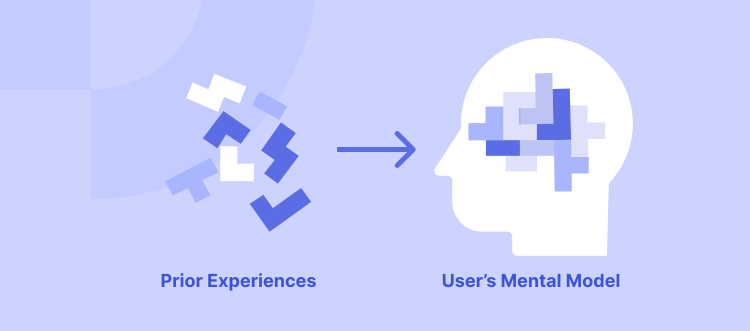
A mental model is how users believe something works based on their past experiences and knowledge. It helps them understand and predict how to interact with new products or systems.
Why It Matters
Why Do Mental Models Matter?
- Improved Usability: Designs that match users' expectations are easier to navigate.
- Reduced Learning Curve: Familiar patterns allow users to apply what they already know.
- Increased Confidence: Users feel more comfortable and in control with intuitive interfaces.
- Better Predictability: Consistent designs help users anticipate outcomes.
- Less Frustration: Aligning with mental models prevents confusion and errors.
Benefits for Your Business
- Higher User Retention: Satisfied users are more likely to return.
- Increased Conversions: Easy-to-use interfaces encourage users to complete desired actions.
- Enhanced Customer Satisfaction: Meeting expectations leads to positive experiences.
- Lower Support Costs: Fewer user issues reduce the need for customer support.
- Stronger Brand Trust: Reliable, intuitive designs build confidence in your product.
How to Improve
How to Leverage Mental Models in Design
- Simplify Tasks: Break complex processes into manageable steps.
- Use Familiar Elements: Stick to common design conventions like standard icons and navigation menus.
- Highlight Key Actions: Make important buttons or alerts stand out.
- Set Helpful Defaults: Pre-select options based on common user preferences.
- Provide Immediate Feedback: Quickly confirm actions to reassure users.
- Incorporate Common Shortcuts: Use well-known symbols like an "X" to close windows.
Key Takeaway
In Summary
Designing with mental models in mind makes your product more intuitive and user-friendly. By aligning with how users naturally think, you enhance their experience, boost engagement, and build stronger loyalty to your brand.